Aviation Switching Module – NSN 4920-01-250-2696 (AS-IS / Untested): Aerospace Switching Unit for Professional Inspection
Aviation Switching Module – NSN 4920-01-250-2696 (AS-IS / Untested): Aerospace Switching Unit for Professional Inspection
Blog Article
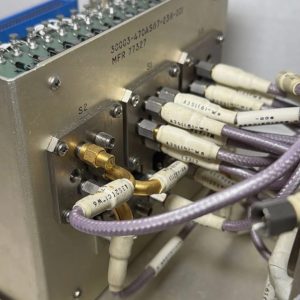
The Aviation Switching Module – NSN 4920-01-250-2696 (AS-IS / Untested) is a specialized aerospace electrical component offered for professional evaluation, restoration, testing, parts recovery, collection, or another suitable non-assumed application.
The Aircraft Switching Module offers potential maintenance or restoration value, while the Aerospace Switching Module must be inspected for condition, completeness, modification, and storage-related deterioration.
Every Aircraft Power Switching Module or Aircraft Signal Switching Module should be assessed individually because connectors, voltage, current, control logic, and system compatibility can vary significantly.
An Aircraft Switching Unit can support specialized signal or circuit management, but an Aerospace Power Distribution Module or Aviation Power Control Module may use different internal architecture and electrical requirements.
Identifying the Aerospace Switching Unit
NSN 4920-01-250-2696 should be compared with the data plate, manufacturer number, contract markings, serial number, connector layout, and available documentation on the actual unit.
Complete identification increases the value of the Aviation Switching Module for restoration, research, inventory management, or click here component evaluation.
Understanding AS-IS and Untested Condition
The condition description should be understood as a limitation rather than a suggestion that the unit is probably operational.
Improper voltage, polarity, grounding, current, signal input, or connector pin assignment can damage the module and connected equipment.
Aircraft Switching Module Applications
The actual role depends on internal circuitry, switch configuration, connector pinout, associated system design, and technical documentation.
Each visible feature should be photographed and described without assuming its electrical purpose.
Inspecting Aerospace Electrical Hardware
The module may have been designed for vibration, transportation, storage, maintenance, or aerospace operating environments, but present performance should not be assumed.
Protective caps should remain installed during storage and shipping when available.
Aircraft Electrical Switching Module Inspection
Discoloration near connectors or switches may indicate electrical heat, chemical exposure, or ordinary aging and should be investigated.
Methodical inspection protects the integrity and research value of the Aircraft Electrical Switching Module.
Aircraft Electrical Control Applications
Similar-looking modules may use completely different pin assignments and operating voltages.
Aggressive solvents, scraping, repainting, or polishing may remove original information.
Aviation Power Circuit Management
Current capacity, voltage, duty cycle, contact type, protection requirements, and load characteristics should be confirmed before testing.
Power-input and output terminals should be checked for looseness, heat discoloration, corrosion, damaged insulation, and unsuitable previous repair.
Electrical Control Unit Restoration
Visual inspection, continuity checks, insulation review, component identification, and controlled testing may form part of a professional evaluation.
Undocumented modifications can make future troubleshooting and identification more difficult.
Aircraft Signal Switching Module Uses
An incorrect connection may damage sensitive electronics even when the module itself receives little power.
Original cable assemblies may add significant value when included.
Control Module Compatibility Review
Buyers should determine whether they need a direct replacement, restoration item, training aid, or parts source.
A matching NSN or housing does not always confirm identical internal configuration when modifications or supersessions exist.
Choosing an Aircraft Switching Unit
Its value depends on identity, completeness, cosmetic condition, connector integrity, internal status, rarity, and availability of documentation.
The equipment should remain clearly labeled as untested and unsuitable for operational installation without evaluation.
Choosing an Aerospace Power Distribution Module
Power distribution equipment may use switches, relays, terminals, bus structures, circuit protection, and control interfaces depending on design.
Bent brackets, enlarged holes, missing fasteners, or distorted mounting surfaces may complicate restoration.
Choosing an Aircraft Electrical Control Unit
The unit should be photographed before and after any preservation work.
Unknown circuits should not receive voltage simply because a connector pin appears to be a power input.
Untested Aviation Power Equipment
The NSN’s federal supply classification may provide useful context, but the exact role should still be researched through item-specific records.
Safe handling is important even when the Aviation Power Control Module is sold strictly AS-IS.
Aviation Switching System Troubleshooting
System diagrams can help identify required inputs, outputs, grounds, control logic, and companion components.
The module should not be blamed until related wiring and equipment are considered where the original system is available.
Protecting an Aerospace Switching Unit
Desiccant or moisture-control materials should not contact electrical components directly unless appropriate.
Original packaging should receive additional protection rather than being used as the only shipping container.
Commercial Inspection of an Electrical Module
A buyer seeking an operational replacement has different needs from a collector, technical school, parts dealer, or restoration specialist.
Images should show labels, switches, connectors, enclosure surfaces, mounting points, fasteners, seals, internal areas if opened professionally, and included accessories.
Evaluating an AS-IS Aircraft Switching Unit
A pre-purchase review should confirm the NSN, manufacturer, part number, serial number, markings, enclosure condition, connectors, switches, included accessories, storage history, modification status, and known application.
- Confirm that the identification plate shows NSN 4920-01-250-2696 and record every manufacturer number, serial number, contract marking, revision, and modification label.
- Inspect the enclosure for dents, cracks, corrosion, missing screws, altered holes, broken seals, damaged brackets, and signs of previous opening.
- Require packaging that protects connectors, switches, labels, enclosure corners, mounting brackets, controls, and loose accessories from movement and impact.
Professional Bench Evaluation
Testing should begin with identification research, visual inspection, connector mapping, safety review, and examination of available technical documentation.
Powered testing should proceed gradually while monitoring current, temperature, smell, noise, indicators, and unexpected behavior.
Restoring the Aerospace Switching Module
Original labels, wiring routes, fasteners, finishes, and component locations should be preserved whenever practical.
Photographs can document internal condition before and after work.
Aviation Switching Module Conclusion
The Aviation Switching Module – NSN 4920-01-250-2696 (AS-IS / Untested) can provide restoration, research, parts, training, collection, or professional evaluation value when its identity and condition are understood clearly.
Careful technical and commercial evaluation can reduce equipment damage, incompatible purchases, missing-accessory costs, testing hazards, and restoration delays.
Whether buyers need an Aircraft Power Switching Module, Aerospace Electrical Control Unit, Aircraft Signal Switching Module, or Aviation Control Module, electrical specifications should be verified before testing.
With prompt attention to switches, connectors, wiring, enclosure condition, corrosion, labels, and internal components, the module can preserve its technical and commercial potential.
Report this page